ATS
How To Beat Applicant Tracking Systems (ATS) In 2026
You don't beat the ATS — you make sure it can read you. The exact formatting, keywords, and structure modern ATS systems reward in 2026.

If you have submitted dozens of applications and heard little back, you've probably blamed Applicant Tracking Systems. Many job seekers believe ATS auto-rejects resumes. The reality is more nuanced.
An ATS is software employers use to collect, organize, search, and rank applications. Recruiters often receive hundreds of resumes per opening. ATS helps them manage volume efficiently.
The goal is not to 'beat' the ATS. It is to make sure your resume can be properly read, understood, and matched to the role.
Common ATS mistakes
- 1
Graphics and icons
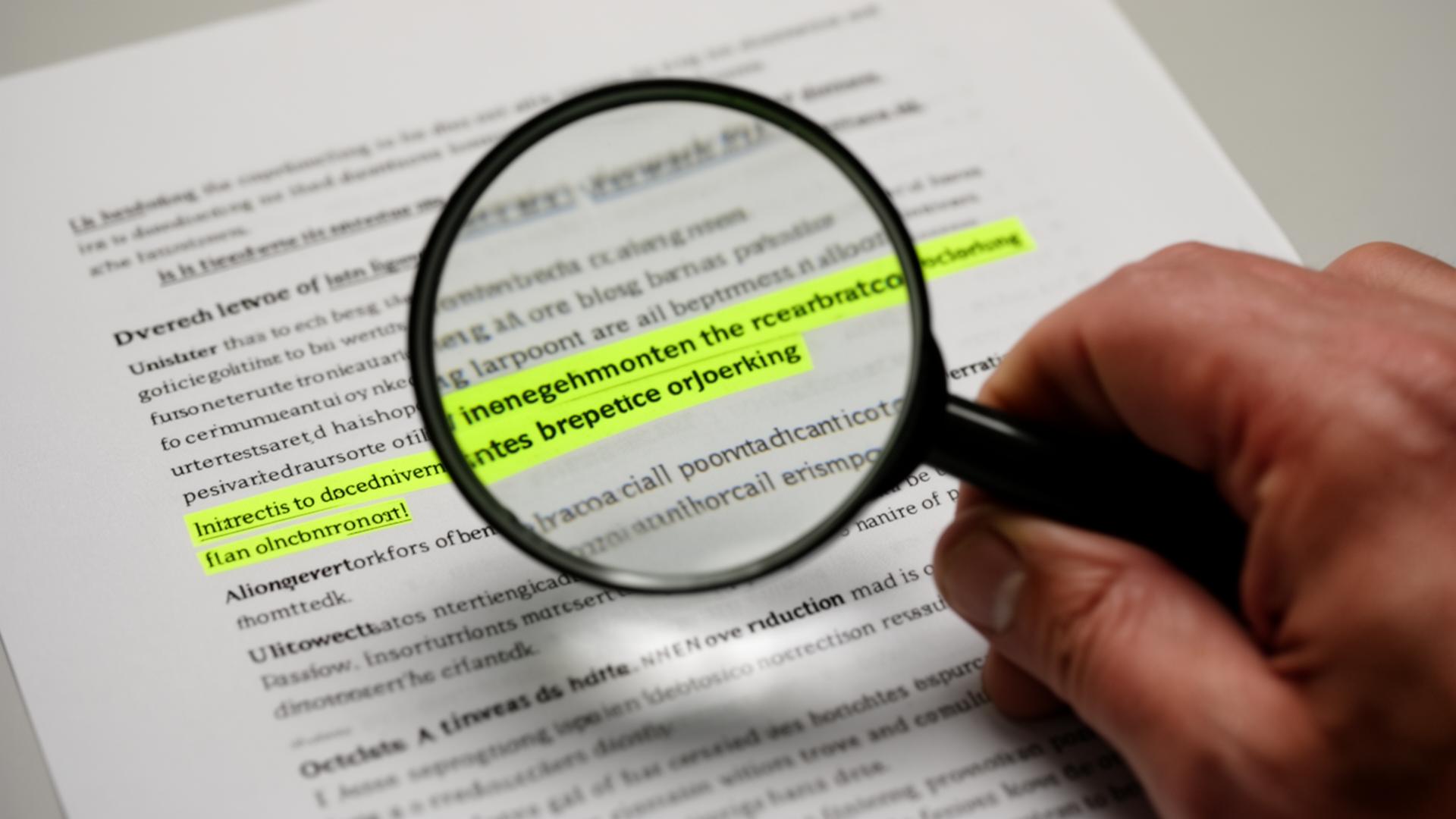
Visual elements often can't be interpreted and may render as gibberish in the parsed text.
- 2
Tables and columns
Complex layouts cause information to be read in the wrong order — or skipped entirely.
- 3
Missing job-specific keywords
ATS systems search for skills, certifications, technologies, and qualifications. If they're not there in plain text, you don't rank.
- 4
Generic job titles
If your internal title was unusual ('Customer Happiness Specialist'), include the standard equivalent in parentheses: Customer Happiness Specialist (Customer Service Representative).
- 5
Wrong file type
Most modern ATS read PDFs, but if the posting asks for DOCX, send DOCX. Some legacy systems still mangle PDFs.
ATS best practices
- Standard section headings: Summary, Experience, Education, Skills, Certifications
- Relevant keywords from the job description
- Simple single-column formatting
- Measurable achievements with numbers
- Experience that maps to the posting
- Careful proofreading — typos break parsing too
The 2026 update
Modern ATS systems use semantic matching, not just exact-string matching. That means 'team lead' and 'team leader' are usually treated as equivalents. But certifications and acronyms still need to match exactly (PMP vs. Project Management Professional — include both).
AI-assisted screening is becoming standard. The systems are better at understanding context, which means stuffing keywords helps less and showing real outcomes helps more.
The rule of thumb
The best ATS-friendly resumes are also recruiter-friendly. Optimize for the human reading at step two, and the ATS at step one will almost always let you through.
Frequently asked
- Do ATS systems automatically reject resumes?
- Most don't auto-reject. They rank and surface — but if you're not in the top group surfaced to the recruiter, the practical outcome is the same.
- Should I send DOCX or PDF?
- PDF unless the posting specifies DOCX. Modern systems parse PDFs reliably and the visual layout stays intact for the human reviewer.
- Does my LinkedIn URL matter?
- Yes. Make sure the URL is clean (linkedin.com/in/yourname), public, and consistent with your resume.
Put this into a resume in 60 seconds
Resume Bestie does the keyword matching, the tailoring, and the metrics nudges automatically — in your voice. Free to try.
Try Resume Bestie free