Foundations
10 Resume Mistakes That Are Costing You Interviews
Recruiters spend seconds on each resume. These ten mistakes are why qualified candidates get skipped — and exactly how to fix each one today.
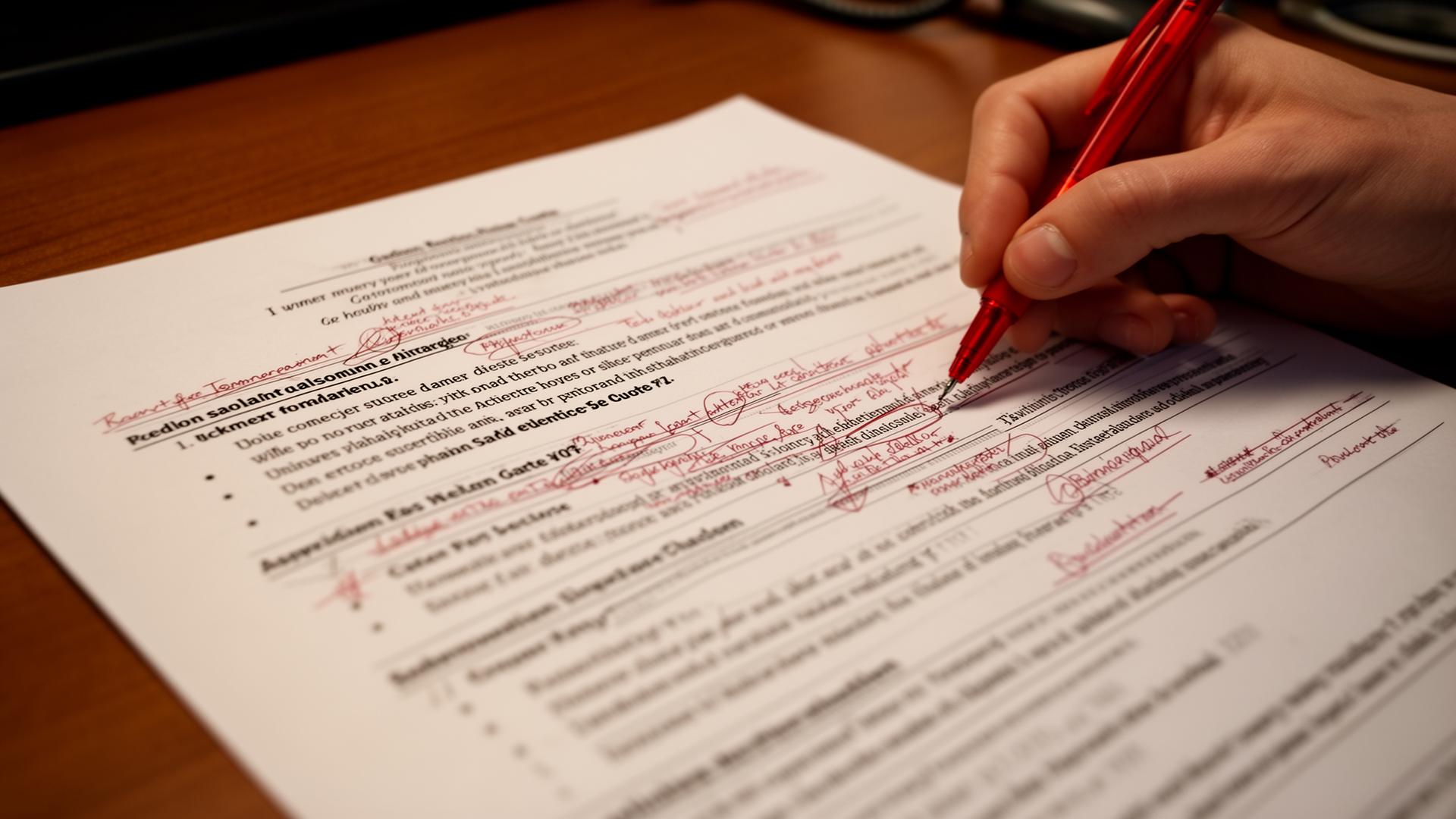
Recruiters often spend only a few seconds reviewing each application before deciding whether to continue reading. Small mistakes have outsized impact.
The good news: every one of these mistakes can be corrected in an afternoon, and most candidates see more interview requests within a week of fixing them.
1. Using the same resume for every job
Employers want candidates who closely match their requirements. Submitting the same resume for every position reduces your chance of looking relevant for any of them. Tailoring is the single highest-leverage change you can make.
2. Listing responsibilities instead of accomplishments
Employers care about results. Translate every bullet from what you did to what happened because you did it.
Weak — Customer service rep
Answered customer calls.
Strong — Customer service rep
Resolved 60+ customer issues per day across phone, chat, and email while maintaining a 96% CSAT score.
3. Missing keywords
ATS systems scan for keywords from the job description. Missing critical skills can prevent your resume from advancing. Read the posting carefully and weave in the exact terms — software, certifications, methodologies, job titles.
4. A weak professional summary
Your summary should quickly explain who you are, what you do, and why you're qualified. Replace 'hard-working professional seeking opportunities' with two sentences that name your specialty, years of experience, and one measurable result.
5. Poor formatting
Complex graphics, tables, text boxes, and unusual fonts create ATS parsing issues. Stick to a single column, standard headings, and a clean font like Calibri, Arial, or Helvetica.
6. Typos and grammar errors
Even one mistake raises concerns about attention to detail. Read your resume aloud and run it through a grammar checker before every submission.
7. Outdated information
Old jobs, retired software, and irrelevant high school awards distract from your strongest, most recent qualifications. Trim anything older than 10–15 years unless it's genuinely relevant.
8. No metrics
Numbers demonstrate impact. Include percentages, revenue figures, productivity improvements, customer counts, and team sizes wherever possible.
Weak — Project manager
Managed projects for the team.
Strong — Project manager
Delivered 9 concurrent projects totaling $14M with average CPI of 1.06 over 14 quarters.
9. Generic language
Avoid vague claims like 'hard worker' or 'team player.' Show proof through achievements. If a phrase could appear on anyone's resume, replace it with something only you could say.
10. No customization
Every application should be tailored. Even five minutes of edits — swapping in role-specific keywords and reordering the skills section — measurably improves response rates.
Frequently asked
- Which mistake costs the most interviews?
- Using the same resume for every job. Tailoring lifts response rates more than any other single change.
- How do I quantify a job that wasn't numbers-based?
- Use counts (people you supported, tickets resolved, events run), time saved (hours per week, days off the close cycle), and percentages of improvement vs. the prior baseline.
Put this into a resume in 60 seconds
Resume Bestie does the keyword matching, the tailoring, and the metrics nudges automatically — in your voice. Free to try.
Try Resume Bestie free